
Prefabricated Modular vs. Traditional Data Centers: What’s the Difference?

Modular vs. Traditional Data Centers - Bmarko Structures

In a world where data powers everything from streaming video to real-time AI, how we build infrastructure matters. The choice between modular and traditional data center designs isn’t just technical. It affects speed to deployment, ongoing costs, scalability, risk, and long-term strategy.

Whether you’re an infrastructure leader at an enterprise or a technology executive planning your next capacity expansion, this guide will walk you through the practical differences, trade-offs, and real-world use cases. We’re not here to push one approach, but to help you choose the right one for your goals.

What Is a Data Center? (At Its Core)


A data center is a dedicated facility that houses computing systems, including servers, storage, networking, power, cooling, and management to support mission-critical applications and services. They are engineered environments built around reliability, power density, cooling, connectivity, and security. 

 
traditionl-data-center-interior

What Is a Traditional Data Center?

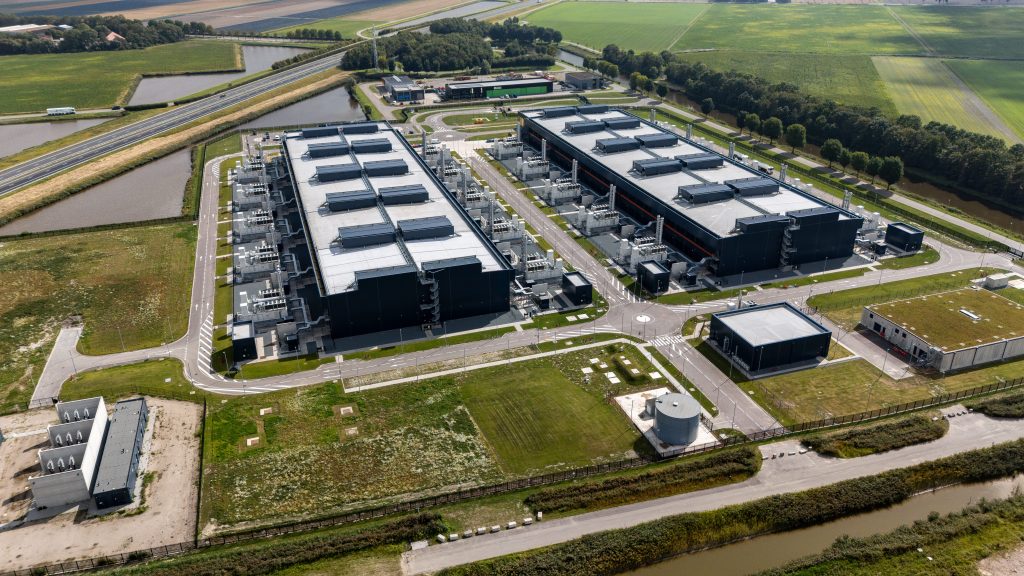
A traditional data center is typically built on site from the ground up. The process includes land development, structural construction, electrical and mechanical installation, and final commissioning. These facilities are often designed as permanent infrastructure with most of the required capacity built upfront.

Traditional data centers work well for organizations with predictable growth, long planning horizons, and the ability to commit significant capital early in the project. They are commonly used for centralized campuses that are expected to operate for decades.

The tradeoff is time and flexibility. Design, permitting, and construction can take a year or more. If demand changes during that window, organizations may find themselves overbuilding or reworking plans before the facility is even operational.


What Is a Modular Data Center?

A
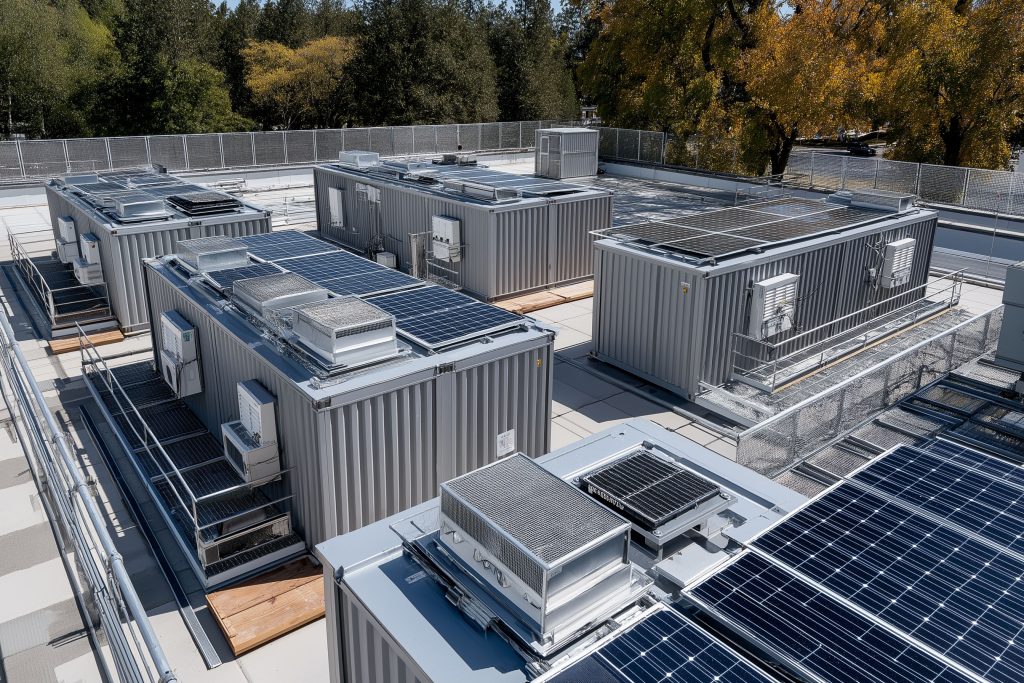
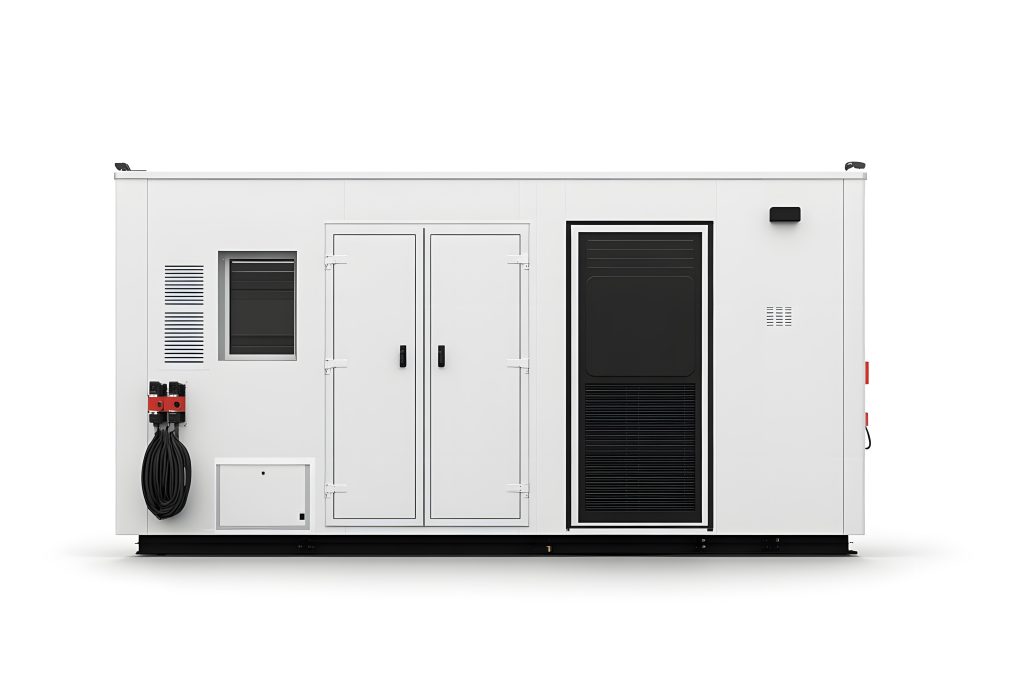
modular data center is made up of prefabricated modules that are built in a factory and delivered to the site for installation. These modules can include structural components, power distribution, cooling systems, and security features that are integrated and tested before shipment.

Instead of building everything at once, modular data centers allow organizations to deploy capacity in phases. Infrastructure can be added as demand grows, rather than committing to a large build from day one.

Modular data centers are commonly used for edge deployments, rapid capacity expansion, AI and high performance computing workloads, and locations where traditional construction would be slow or impractical

Side-by-Side Comparison:  Traditional vs. Modular Data Centers

FeatureTraditional Data CenterModular Data Center
Deployment Speed12–24+ monthsWeeks to months
Upfront CostHighLower initial cost, incremental spend
ScalabilityRequires major constructionAdd modules as needed
CustomizationExtremeModerate to high (but standardized)
Energy EfficiencyDepends on designOften optimized at build level
FlexibilityRigidHighly adaptable
MobilityFixedCan be relocated

Why Deployment Speed Matters

Traditional builds can take years to bring online, tying up budget, delaying growth, and increasing risk in fast-moving markets. Modular data centers shift most of the work into a factory environment and allow site prep and module construction to happen in parallel. That means organizations can react faster when new capacity is needed, whether it’s for new markets, surging demand, or technology refresh cycles.

Why Scalability Matters

Traditional facilities typically require planning for future growth upfront. Modular data centers allow organizations to add capacity incrementally. This reduces the risk of investing in infrastructure that may not be needed right away.

Why Cost Structure Matters

Traditional data centers require large upfront capital investment. Modular deployments spread costs over time, aligning spending more closely with actual growth. Modular is not always cheaper on a per square foot basis, but it often reduces financial exposure and improves flexibility.
What Type of Data Center Fits Your Project The Best?

Choosing between modular and traditional data centers is rarely about which option is “better.” It is about which approach aligns with your current needs, future plans, and risk tolerance.

data center servers (1)

When To Choose Traditional Data Centers

For organizations that require highly customized designs, traditional construction offers the greatest level of flexibility. This can include specialized cooling systems, unique layouts, or strict compliance and certification requirements that are easier to accommodate in a purpose-built facility.

Traditional data centers also make sense when demand is stable and long-term. Large, centralized facilities are often designed to operate for decades, making them a strong fit for organizations that can confidently plan capacity far in advance and are comfortable with larger upfront investment.

In these cases, the longer timelines and higher initial costs are balanced by permanence, control, and deep customization.

Traditional data centers are often the right fit when:

  • The facility requires extensive customization

  • Infrastructure will be centralized for the long term

  • Growth is predictable and well understood

  • Regulatory, compliance, or certification requirements are strict

  • The facility is expected to operate for many years with minimal change

When To Choose Modular Data Centers

If you need capacity online quickly, the modular data center build process allows much of the work to happen in parallel, which dramatically shortens deployment timelines. This is especially valuable when supporting fast-moving initiatives like AI workloads, new market expansion, or sudden increases in demand.

Modular is also well-suited for remote or space-constrained sites where traditional construction would be slow, expensive, or impractical. Edge deployments, distributed computing environments, and locations with limited infrastructure often benefit from the smaller footprint and reduced on-site construction requirements.

Organizations with unpredictable or rapidly growing workloads also lean toward modular designs This phased approach helps align infrastructure investment with real demand rather than forecasts that may change.

Modular data centers are often the right choice when:

  • Capacity is needed quickly

  • Deployment locations are constrained or remote

  • Growth patterns are uncertain or accelerating

  • Edge or distributed computing is part of the strategy

  • Capital investment needs to be spread over time

Hybrid architectures are becoming increasingly common.

Rather than choosing one approach exclusively, many organizations combine traditional and modular data centers to support different needs within the same infrastructure strategy.

A traditional data center may serve as the core facility, while modular units provide edge capacity, overflow support, or temporary infrastructure during expansion. This hybrid model offers stability where it is needed and flexibility where it adds the most value.

For many enterprises, this blended approach delivers the best balance of control, scalability, and adaptability without forcing a single solution onto every use case.

aerial view of hybrid data center

Real-World Adoption by Large Enterprises

Large technology companies such as Meta, Google, Microsoft, and Amazon are not choosing modular data centers because they are trendy. They are using modular approaches because they support flexibility at scale.

These organizations often deploy modular data centers for edge computing, capacity overflow, and distributed workloads, while continuing to rely on traditional facilities for centralized operations. The strategy is not modular or traditional. It is using each where it makes the most sense.

Making the Right Call for Your Data Center Strategy

There is no single answer that fits every organization. The real question is how to align infrastructure decisions with business needs today while leaving room to adapt tomorrow.

Understanding the tradeoffs between modular and traditional data centers allows teams to make smarter decisions around speed, scale, cost, and long-term flexibility. In many cases, the strongest approach is not choosing one model over the other, but combining them in a way that supports how the operation actually runs.

That is where the right partner matters.

At BMarko Structures, our focus is on building the physical enclosures and structural systems that support modular data center deployments. We are not positioning ourselves as full-stack modular data center designers. Instead, we specialize in delivering high-quality, durable structures and work closely with trusted partners and vendors. 

This partner-driven approach allows organizations to move forward with confidence, knowing each part of the data center is handled by teams that do it every day. We help guide projects in the right direction, coordinate with experienced providers, and ensure the enclosure itself is built to meet the demands of a full-scale operation.

If you are exploring modular data centers, planning a hybrid deployment, or looking for a structural partner that understands how these environments come together, BMarko Structures can help support the enclosure side of your build and connect you with the right resources along the way. Contact us today to learn more! 

Contact Us

"*" indicates required fields